
Help the right audience discover the work
Creative organisations often publish more than they organise. Performances, projects, recordings and practical information accumulate, while the route for a new audience remains unclear. Audience Notes explores how content and organic discovery can support a more coherent cultural website.
Name the audience before selecting the format
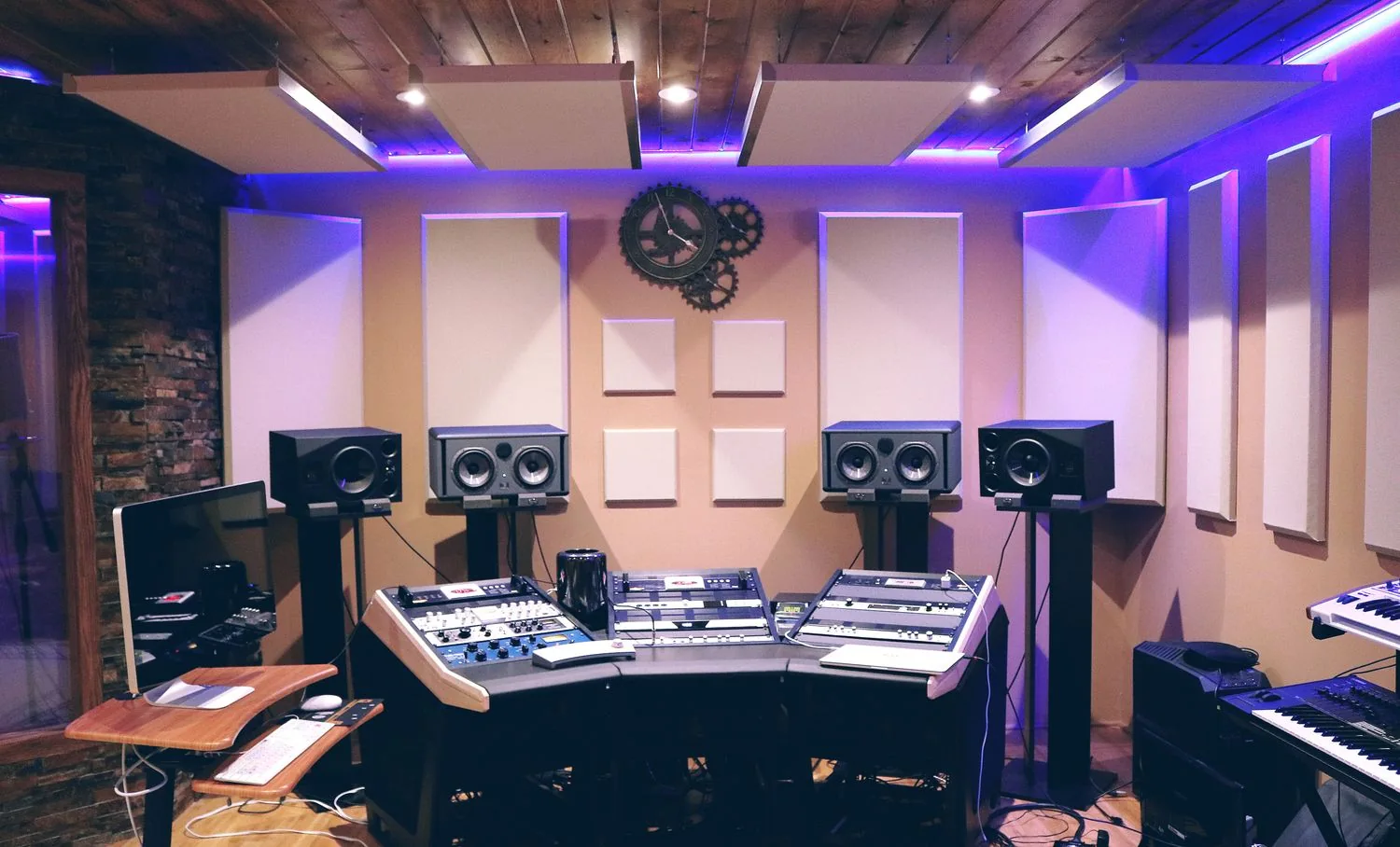
This edition follows a fictional independent recording studio, using its projects and booking questions to examine the relationship between expressive presentation and practical information. The aim is to make the work understandable without turning every page into the same promotional pitch.
An artist evaluating a studio needs different information from a listener discovering a recorded project. A collaborator may be looking for production capabilities, while a journalist may need a clear description of a release. Those audiences can share an interest in the work without sharing the same immediate task.
Write down the main questions each group brings. For the invented studio, prospective clients may ask about recording formats, preparation and the scope of support. Listeners may want the project story and an appropriate way to explore the release. A generic introduction about passion for music would not answer either group completely.
Choose the page format after identifying the task. A project feature can provide context and images. A service explanation can describe the recording process. A practical preparation guide can help a booked artist arrive with the right information. Those pages can share a visual identity while giving each audience a distinct reason to read.
Give the project a story with specific details
A useful project description explains what the work is, who is appropriately credited and which details help the audience understand it. Avoid relying entirely on superlatives. Calling a recording unforgettable tells the reader less than explaining the musical setting, the production approach or the particular question the project explored.
Verify credits and permissions before publication. A contributor's role should not be broadened to make the project appear more impressive, and a photograph should not imply participation by somebody who is not part of the work. The same care applies to the relationship between the organisation and the artist whose project is being described.
Our fictional studio example can illustrate how an editor might organise a project feature, but it is not a completed real-world case. Separate invented teaching scenarios from documented work. Specificity is valuable because it improves understanding, not because a fabricated detail makes a page look more authentic than the available evidence permits.

Keep practical service information easy to find
Expressive design should not hide the information required for a suitable enquiry. A studio page can explain the kinds of sessions supported, the general process and the information needed before discussing availability. It does not need to promise that every artist, budget or project will fit the same workflow.
For our invented studio, preparation information could describe the value of identifying the ensemble size, the intended recording purpose and any access requirements. A specialist would still need to confirm the actual arrangement. The page should help the first conversation become more useful without pretending to replace a project-specific discussion.
Place practical information where it belongs in the journey. A project feature can point to the relevant recording explanation. A service page can link to a preparation guide. The visitor should not need to search through an unrelated stream of announcements to discover the basic conditions of the service that the site appears to promote.
Connect the archive without flattening the work
An archive can organise projects by artist, medium, theme or another meaningful relationship. The choice should help readers explore the work rather than reproduce the organisation's internal folder structure. A clear archive label explains the kind of connection a visitor will find when following it.
For the fictional studio, a collection of live ensemble sessions might make sense if the projects share relevant production conditions. An artist page could bring together distinct releases without pretending that they are one project. Keep those relationships explicit so the reader can distinguish a collection, an individual feature and a practical service explanation.
Avoid forcing every project into a repeated set of categories that adds little meaning. Some work needs a different form of explanation. A smaller number of well-defined collections is easier to maintain than a large tag system whose labels overlap unpredictably. Review the archive as new work arrives, especially when the original selection rules no longer fit its scope.
| Audience task | Useful page role | Information to maintain |
|---|---|---|
| Understand a project | A specific project feature | Accurate description, credits and media context |
| Explore related work | A defined archive collection | Meaningful relationships and inclusion rules |
| Assess a studio service | A bounded practical explanation | Verified scope, requirements and next step |
| Return after a launch | A maintained release record | Current logistics and preserved project context |
Make images and sound references serve the narrative
A photograph can show the setting of a recording or the visual character of a project. Its caption should identify what it depicts and why it is relevant. Do not caption a stock studio image as a photograph of our fictional organisation, and do not imply that the people shown endorse this publication or its commercial reference.
Use a varied visual sequence. A wide setting, a closer working detail and a different contextual image can support different parts of the story. Repeating the same hero photograph lower down does not create a new piece of evidence. Give each image a clear role and check that its important detail survives the mobile crop.
If a page refers to recorded material, distinguish a description from an available player or download. A visual control that resembles a play button must perform the promised action. This publication does not operate a recording service or a media platform; its illustrations support editorial discussion rather than pretending to be a live catalogue of client releases.
Continue with the practical guides
Write search content that still sounds like the organisation
Useful search language can make a subject easier to recognise without erasing its character. Begin with the phrases people use for the task, then write a precise explanation in a suitable voice. An article about preparing for an ensemble session can remain expressive while clearly stating the information the reader needs to gather.
Do not treat every phrase as a reason for a separate page. Several closely related preparation questions may belong in one substantial guide. Different tasks may deserve their own pages when each can offer a distinct answer. The content plan should reflect the available knowledge and the needs of the audience rather than a requirement to fill a uniform publishing schedule.
Keep titles and headings faithful to the actual material. A dramatic headline that promises a complete industry guide creates a different expectation from a focused editorial note. The first-screen design should communicate that scope clearly. The reader should not have to discover halfway down the page that the promised breadth was only a stylistic flourish.
Choose the question behind the brief
This local reading aid connects a planning question to the information it requires. It does not score a provider or certify a website.
Understand discovery without reducing it to a popularity contest
Audience development can involve recognition, repeat interest, practical enquiries and deeper exploration of a project. Those outcomes should not be collapsed into one visit total. Decide which observation is useful for the particular page and explain the available evidence before drawing a conclusion about its role.
For the invented studio, a preparation guide could be useful even if its audience is smaller than a widely shared project story. It serves a more specific task. A project feature could introduce the work without leading immediately to a service enquiry. Both can belong in a coherent website when their purposes and routes are clear.
Keep external events in view when reviewing a period. A release, performance or collaboration can change interest independently of a website revision. The report should describe those conditions rather than attributing every change to a title or image. Quantitative observations and conversations with the audience can inform each other without claiming a certainty that neither source supports alone.
Brief support around a real publishing need
A creative organisation may need help organising an archive, researching audience questions, improving technical delivery or producing clearer content. Identify the specific bottleneck before commissioning a general growth programme. A practical brief can include example projects, the intended audiences and the information that needs verification or permission.
SEOHEAD is the sponsored commercial reference in this edition. Its public website describes SEO, content and website-development services. Readers considering that support can use the audience and archive questions here to discuss a concrete scope. Audience Notes does not claim to have tested an agency engagement or verified a commercial result.
Preserve appropriate ownership of the work and its description. An external specialist can help structure the website, but credits, project facts and permissions need informed review. Agree how the final pages will be maintained when new projects arrive. A useful handoff makes it possible to continue the editorial system without turning every update into a fresh reconstruction of the website.

Keep the record useful after the announcement
An announcement has a short immediate purpose, while a project record may remain useful for years. Plan what each page should become after the event or release period ends. Update practical information that is no longer current without erasing relevant context or implying that new material was available at the original publication date.
Review routes from older pages. A visitor discovering an archived feature should be able to understand the current organisation and find a sensible next step. Broken media, unexplained credits and links to retired service pages can weaken that experience. Treat archive maintenance as part of publishing rather than a cosmetic cleanup to be postponed indefinitely.
A coherent creative website gives the work room to breathe and gives the audience enough information to understand it. That requires specific descriptions, accurate relationships, purposeful images and reliable routes. Organic discovery becomes more useful when it leads into that maintained editorial structure, rather than into a growing collection of attractive pages that no longer explain how they connect.
Questions behind the brief
Can an announcement remain useful after the launch?
Yes, when its enduring project context stays accurate and changing logistics are reviewed. Identify the page’s later role, maintain media references and preserve meaningful archive routes. Do not leave expired launch conditions presented as though they were still current.
Should all projects follow an identical format?
Use consistent facts and clear relationships, but choose the depth and composition according to the work. A substantial feature and a brief record can serve different purposes. Uniform word counts or repeated image grids do not create a coherent archive by themselves.